Grading and Drainage Evidence in Construction Defect Cases
Grading and Drainage Evidence in Construction Defect Cases
Grading and drainage failures frequently sit at the center of construction defect litigation. A civil engineering expert witness inspects site conditions, compares them against approved plans, and documents how stormwater is actually performing, giving attorneys and adjusters a defensible technical basis for evaluating the claim.
Key Takeaways
- On-site inspection focuses on observable conditions: finished grades, swales, catch basins, and discharge points, all documented with photos and field notes
- Plan review compares approved grading and drainage designs against as-built conditions to identify where the site diverged from what was permitted
- Standard-of-care evaluation ties plan compliance and drainage design decisions to codes, professional judgment, and the specific site constraints involved
- Expert reports connect each finding and opinion back to documented evidence, supporting liability review, causation analysis, and settlement decisions
- Scope stays within civil engineering, keeping soils and geotechnical questions with the appropriate specialist
Grading and Drainage: What a Civil Engineering Expert Witness Evaluates in Construction Defect Cases
Grading and drainage disputes can bring technical site questions into construction defect litigation. Civil engineering expertise can help organize those questions for attorneys, insurers, and property stakeholders.
When you're dealing with grading and drainage issues, they can become central in construction defect litigation. Water may pond near a structure or move toward a neighboring property. It may also damage improvements or fail to follow the drainage path shown on the plans.
A civil engineering expert witness can help by inspecting the site, reviewing the project record, and explaining whether the drainage system performed as it reasonably should have.
Why Do Grading and Drainage Issues Lead to Construction Defect Claims?
In construction defect litigation, grading and drainage issues usually start with how water moves across a site. Drainage systems are supposed to collect, direct, and release that water. When either part fails, the result can include ponding, erosion, nuisance runoff, damaged hardscape, flooded landscape areas, or water moving toward buildings.
When you're handling these claims, you often need to look at more than one party. The dispute may include the developer and contractor. It may also involve the civil designer, homeowners association, inspector, or maintenance team. That makes it important to separate design issues, construction deviations, and later changes to the site.
Bringing in a civil engineering expert witness can help you organize those questions around the evidence instead of assumptions. That matters when several parties remember the project differently or when the site has changed since construction.
What Does a Civil Engineering Expert Witness Inspect on Site?
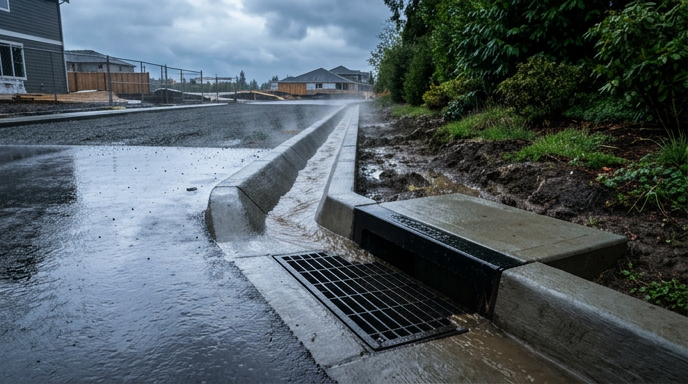
During a civil engineering expert witness inspection, starting with observable conditions helps you keep the analysis tied to the site. The expert may start with finished grades and paved areas, then trace how water moves through the site. That can include swales, catch basins, area drains, curb cuts, discharge points, and stormwater conveyance paths. Photos and measurements help document what exists at the time of inspection. Field notes add context that may not be obvious from pictures alone. That record becomes important if repairs, weather, or later site changes affect the conditions before the case is resolved.
Watching how water collects in low spots, bypasses drains, or flows toward protected areas can help show how the system is performing. The goal isn't to guess what happened. It's to document the physical evidence and compare it with the design intent.
Keeping the work within civil engineering matters. It doesn't require the expert to offer soils or geotechnical opinions outside the firm's scope.
How Does Plan Review Support a Grading and Drainage Opinion?
When you're reviewing a grading and drainage dispute, the plans are a major part of the analysis. The expert compares approved grading and drainage plans against current site conditions. As-built information, details, specifications, permits, and inspection records can fill in the project history. If the plans called for a drainage feature that was never built, that difference matters.
Topographic mapping and boundary surveys are also critical evidence in this comparison. A topographic survey of as-built conditions documents the actual site grades and shows where water will travel and whether ponding is possible, information that isn't always evident from paper plans alone. Boundary surveys help confirm that grading and drainage improvements were constructed within the intended property lines and easements, which matters when the dispute involves what was built versus what was designed and permitted.
Reviewing the project file may also show whether the original design provided a reasonable drainage path. A built condition can match the plan and still raise questions if the design didn't address site runoff properly. Separating design questions from construction questions helps the legal team understand where the dispute belongs.
BC Engineering Group's civil engineering background helps translate plan details into practical litigation findings.
How Are Standard-of-Care Questions Evaluated?
When you evaluate standard of care, you're asking whether the work met the level of skill and care expected of a reasonably prudent professional or contractor under similar circumstances. In grading and drainage disputes, that may involve plan compliance and drainage design. It can also include stormwater conveyance and the response to known site constraints.
Evaluating whether slopes were set correctly, whether drainage structures were placed where they could function, and whether water was directed to an appropriate outlet can help clarify the dispute. The analysis should be tied to documents and site observations. Codes, standards, and professional judgment also help support the opinion.
For related background, grading violations often show how small site changes can create larger compliance problems.
What Goes Into an Expert Report for Drainage Litigation?
Preparing an expert report should help you make the technical issues clear. It may include the assignment scope, documents reviewed, and inspection methods. Observations, photos, plan excerpts, analysis, and opinions should all connect back to the basis for those opinions. The strongest reports connect each conclusion to evidence and explain why the grading or drainage condition matters to the claim.
If you're an attorney or adjuster, using the report can help you evaluate liability and causation. It can also clarify repair scope and settlement posture. It can also clarify when a claim needs additional expertise from another discipline, which helps keep the civil engineering opinion focused and defensible.
Residential matters may overlap with grading and drainage services, but litigation work requires a tighter focus on documentation and defensible opinions.
Discuss Grading and Drainage Litigation Support With BC Engineering Group
If you're handling a grading and drainage matter tied to construction defect litigation, BC Engineering Group can support your case with focused civil engineering analysis. Our team can review civil plans and inspect site conditions. We can also document drainage performance and explain findings in a clear technical report.
If your case needs a civil engineering expert witness for grading and drainage issues, contact BC Engineering Group to discuss the assignment.
Comments
You May Also Like