Protecting Slopes and Infrastructure: Landslide Repair and Prevention
Landslide Repair and Slope Stabilization in Sonoma County
Landslides are not always preventable, but timely evaluation and an engineered repair limit the damage. BC Engineering Group repaired a creekside slope with about 70 linear feet of riprap and 45 cubic yards of rock, then added erosion control and tree planting for long-term protection. The right fix depends on soil, slope, drainage, and proximity to water, and winter rainfall makes early evaluation worth doing now.
Key Takeaways
- Every repair is site specific. Soil composition, steepness, drainage patterns, and nearby waterways drive the design.
- Riprap (hard revetment) shields exposed soil from water movement, and erosion control measures and replanting add protection over time.
- Solutions range from hard and soft revetment to drainage improvements, retaining walls, and vegetation, often combined.
- Properties with steep terrain, exposed soil, drainage concerns, or past ground movement should be evaluated before winter storms.
Seasonal rain events can have a significant impact on the stability of hillsides, roadways, and surrounding infrastructure. Throughout Northern California, steep terrain, varying soil conditions, deferred maintenance, and prolonged periods of rainfall can contribute to erosion, slope movement, and property damage.
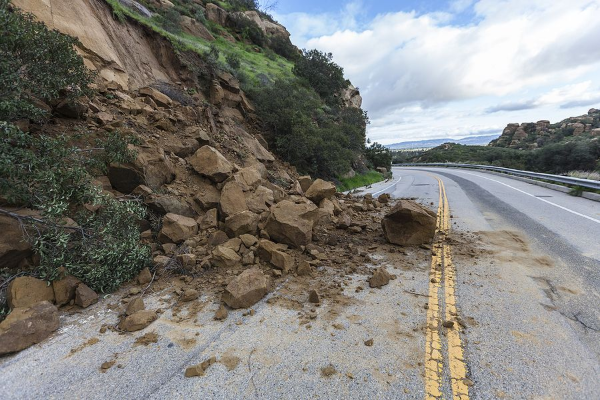
While preventing slope failure is the preferred approach, landslides are not always avoidable. When landslides do occur, timely evaluation and properly designed repairs are important for addressing slope damage and protecting nearby properties and infrastructure. BC Engineering Group has experience working on both preventative improvements and corrective projects, helping address existing slope conditions and reduce the potential for future damage.
A Site Specific Approach to Landslide Repair
Every landslide presents different challenges, and the appropriate repair depends on the surrounding terrain, soil conditions, and contributing factors.
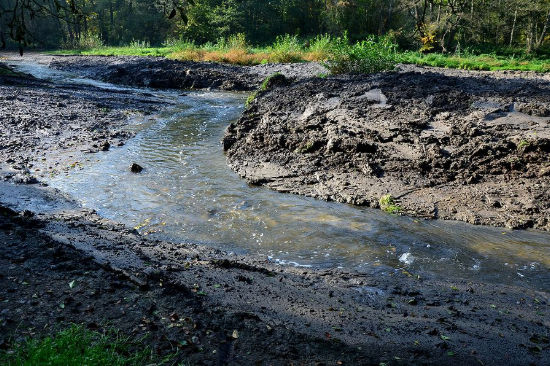
In one recent project, BC Engineering Group worked on the repair of a landslide along a hillside adjacent to a creek. The affected slope required protection against further erosion, while also considering the surrounding vegetation and nearby waterway.
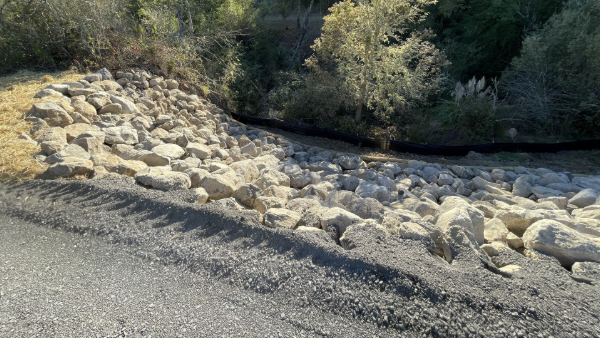
The repair incorporated approximately 70 linear feet of rock protection, known as riprap. Approximately 45 cubic yards of rock fill were placed along the affected slope in accordance with the geotechnical engineer's recommendations. This type of hard revetment provides a protective layer that helps reduce erosion and protect exposed soil from the effects of water movement.
Following rock placement, erosion control measures were installed, with additional trees planned for planting in and around the repaired area. Tree roots can play an important role in slope stabilization by helping hold soil together and reinforce the surrounding ground. This can reduce surface erosion and help limit downhill soil movement, providing added protection to the surrounding slope over time.
By combining engineered rock protection with erosion control measures and vegetation, the project addressed existing slope damage while incorporating additional measures to help protect the area over time.
This type of approach demonstrates how effective landslide repair often involves more than simply restoring the affected area. Understanding the surrounding conditions and incorporating appropriate preventative measures are important parts of protecting a site over the long term.
Understanding Slope Stabilization
Every hillside presents different challenges. Soil composition, slope steepness, surrounding vegetation, drainage patterns, and proximity to waterways can all influence how an area responds to rainfall and changing conditions.
When evaluating a site affected by erosion or slope movement, engineers consider the existing conditions and underlying factors contributing to the problem before determining the appropriate improvements.
Depending on the project, solutions may include:
- Hard revetment: A slope protection method that uses durable materials, such as strategically placed rock (riprap), to create a protective barrier against water movement and erosion.
- Soft revetment: A hillside stabilization method that uses layered logs or tree trunks combined with compacted soil to help reinforce slopes and reduce erosion.
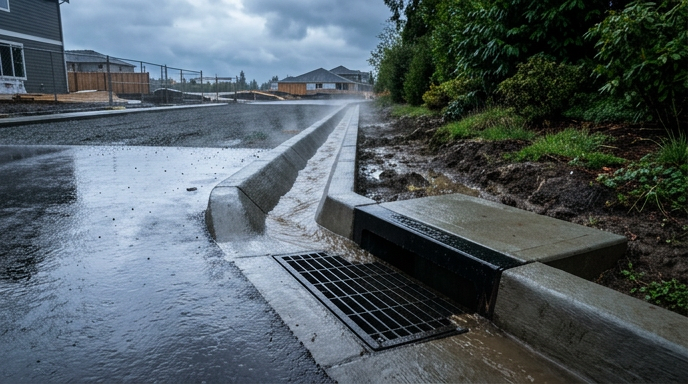
- Drainage improvements: Systems designed to manage surface runoff and groundwater, helping prevent excessive water accumulation within a slope.
- Retaining walls: Engineered structures designed to support soil and changes in elevation while helping stabilize surrounding areas.
- Vegetation and erosion control: Trees, grasses, and other plantings that help protect exposed soil, reduce surface runoff, and provide additional soil stabilization.
The appropriate solution depends on the specific site conditions and the extent of the existing or potential damage. In many cases, combining structural improvements with natural erosion control measures provides a more comprehensive approach.
The Role of Vegetation in Erosion Prevention
Structural improvements are often an important part of slope repair, but natural solutions can also contribute to long term site protection. Trees, grass, and other vegetation help protect exposed soil through their root systems, which hold soil together and reduce erosion. Vegetation can also slow surface runoff and provide additional protection during rainfall.
Incorporating appropriate plantings following slope repairs can help restore disturbed areas and provide added erosion protection over time. While vegetation alone cannot prevent every type of landslide, it can be an effective part of a larger slope stabilization plan.
Planning Ahead for Seasonal Rainfall
With winter storms bringing increased rainfall throughout Sonoma County and surrounding areas, identifying vulnerable slopes and addressing existing erosion concerns is especially important.
Properties with steep terrain, exposed soil, drainage concerns, or a history of ground movement may benefit from professional evaluation before conditions worsen.
Proper drainage management, slope maintenance, and preventative improvements can help reduce the potential for more extensive damage. When slope movement has already occurred, professional engineering evaluation can help determine the appropriate repair approach.
Engineering Solutions for Long Term Site Protection
From erosion control and drainage improvements to engineered slope repairs, addressing hillside concerns requires practical solutions that consider both current conditions and future needs. BC Engineering Group brings civil engineering experience to these projects, helping property owners navigate challenging site conditions and make informed decisions about protecting their land.
If you have questions about landslide repair, slope stabilization, or erosion control, contact BC Engineering Group at 707-542-4321. Taking action today can help reduce the risk of more extensive damage down the road.
You May Also Like